

Many of us remember opening our lovingly packed Tupperware lunchboxes as children, the familiar “pop” of the airtight seal revealing a carefully prepared meal that was just opaque enough to offer a warm surprise. These moments were more than just a daily routine—they were an expression of care, connecting us to the nostalgia of home and family traditions dominate (Tupperware, 2024). By examining how the cost-of-living crisis and changing consumer habits impact brand loyalty, Tupperware’s situation presents an opportunity to rethink its business strategy.
The Cost-of-Living Crisis and Its Impact on Consumer Behaviour 
The Australian Bureau of Statistics notes that household living costs have risen across various sectors, with mortgage interest charges, food, and housing being significant contributors (Australian Bureau of Statistics, 2024).
Additionally, M&C Saatchi’s "Cost of Living Report 2024" highlights how 49% of Australians have shifted away from purchasing Australian brands due to financial pressures, affecting brand loyalty across all age groups (M&C Saatchi, 2024).
Tesla’s Example of Carbon Credits as Revenue
In Tesla’s 2023 Impact Report, the company revealed that it earned substantial revenue through carbon credit sales, which contributed to its overall profitability (Tesla, 2023). This demonstrates how businesses with sustainable practices can leverage government incentives and regulatory frameworks to improve their financial health.
Tupperware could advocate for similar recognition from government regulators, arguing that its long-lasting products reduce single-use plastics and contribute to environmental sustainability.
Integrating Social Impact and Social Enterprise Models
1. Leverage Nostalgia and Brand Heritage: 
Nostalgia is a powerful marketing tool that evokes a sense of longing and familiarity. The trend, known as "retro branding," allows brands to tap into positive memories associated with their products (Brown, 2022).
For example, products like Sunnyboy ice blocks and lamingtons evoke a sense of nostalgia for many Australians. Tupperware’s classic containers, often used to store lamingtons and other treats, can be reintroduced as a symbol of sustainability and quality, appealing to consumers who value heritage and durability.
2. Crowdsource Ownership to Consumers:
Allowing customers to invest in Tupperware can create a sense of community ownership. This approach aligns with social enterprise models, fostering brand loyalty while promoting sustainability.
3. Partnership with Meal Kit Providers:
Collaborating with meal kit companies like HelloFresh and Marley Spoon would introduce Tupperware to a younger audience. Such partnerships could feature Tupperware as the preferred packaging option for meal kits, reinforcing its brand image as a sustainable, long-lasting alternative to single-use plastics.
Expanding Product Use Beyond the Kitchen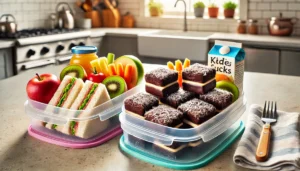
Tupperware’s versatility can be promoted for non-kitchen uses, such as:
- Organisation Solutions: Their products can be marketed as ideal storage for nuts, bolts, craft supplies, and other small items.
- Quality Picnic Gear: Tupperware could expand into producing high-quality, long-lasting picnic rugs, kits, and reusable cutlery, targeting environmentally conscious consumers who want durable outdoor products.
The Power of Education and Sustainability Messaging
By educating younger generations on the connection between longevity and sustainability, Tupperware can build brand awareness around the concept of quality over quantity. Tupperware’s products could be positioned as ideal housewarming presents, offering a sustainable alternative to cheaper, disposable items and emphasising their enduring value.
Conclusion
Tupperware's predicament reveals the complexities of balancing quality, sustainability, and profitability. By integrating principles of social impact, leveraging nostalgia, and expanding its product range, Tupperware has the potential to reconnect with consumers and position itself as a leader in the fight against disposable culture.
In an era where convenience often outweighs sustainability, how can Tupperware effectively communicate the value of investing in long-lasting, quality products to a generation accustomed to disposable alternatives?
And as we look toward a future where AI might be packing our children's lunches with robotic precision, using Tupperware to preserve a meal prepared from a grandmother’s secret recipe, we must ask—if we don’t act now, are we simply accelerating a future where pollution and waste overshadow the possibility of a truly sustainable world?
Afterall, surely we want a future world where being good is good for all of us!
References
Australian Bureau of Statistics (2024). Selected Living Cost Indexes, June 2024.
Brown, L. (2022). Retro Branding and the Power of Nostalgia. Journal of Marketing, 85(2), 250-270.
M&C Saatchi Group (2024). Cost of Living Report 2024.
Tesla, Inc. (2023). 2023 Impact Report.
Tupperware. (2024). Our History.